When it’s hot, your body needs more fluid than you’re giving it
Three out of four Spaniards fail to reach adequate hydration during summer, according to the Spanish Academy of Nutrition and Dietetics (2026). The problem is more pronounced in vulnerable groups: 80% of older adults and 87% of children and teenagers don’t drink enough fluid. This isn’t just a wellbeing issue — it’s physiology. A scientific review published in Medicina de Familia. SEMERGEN (2025), involving researchers from UCM, UAM, UPM and SEMERGEN’s nutrition group, confirms that water is essential for nearly every function in the body: temperature regulation, nutrient transport and waste removal. When it’s lacking, physical and mental performance drops.
Why heat dehydrates more than it seems
The human body is made up of approximately 50–70% water. This water is responsible for keeping temperature stable, transporting nutrients and allowing the brain to function properly. When it’s hot, the body’s main regulation mechanism is sweat. And with sweat you lose not only water but also electrolytes such as sodium, potassium and magnesium. If they aren’t replenished, the first symptoms of dehydration appear: tiredness, headache and difficulty concentrating.
Often it’s not the heat itself that’s the problem… but the lack of hydration.
Signs of dehydration you often ignore
Thirst isn’t the first sign — it’s the latest one. The Spanish Society of Community Nutrition (SENC 2025–2026) recommends not waiting until you’re thirsty to drink. Other common signs include:
- Headache with no obvious cause
- Fatigue despite having rested
- Difficulty concentrating or “brain fog”
- Dark-colored urine
- Dry mouth or lips
How much water do you really need?
Hydration needs vary depending on age, activity level and ambient temperature. According to EFSA (the European Food Safety Authority), the general recommendations are:
- Adult men: 2.5 L/day.
- Adult women: 2 L/day.
- Children (4–8 years): 1.6 L/day.
- Teenagers: 2–2.5 L/day.
- Older adults: same amounts, but with closer monitoring.
Between 75% and 80% of this intake should come from drinks, with the rest from food. The most important thing isn’t drinking a lot at once, but doing so consistently throughout the day. A simple indicator:
- Clear urine: good hydration.
- Dark urine: you need more fluid.
What to drink when it’s hot (and what actually hydrates you)
Not all drinks have the same effect. Water is the foundation of hydration. But when there’s intense heat or physical activity, the body also needs to replenish minerals. The SEMERGEN review (2025) highlights the importance of the mineral composition of water and its relationship to how the body functions.
Functional hydration: when the body needs more
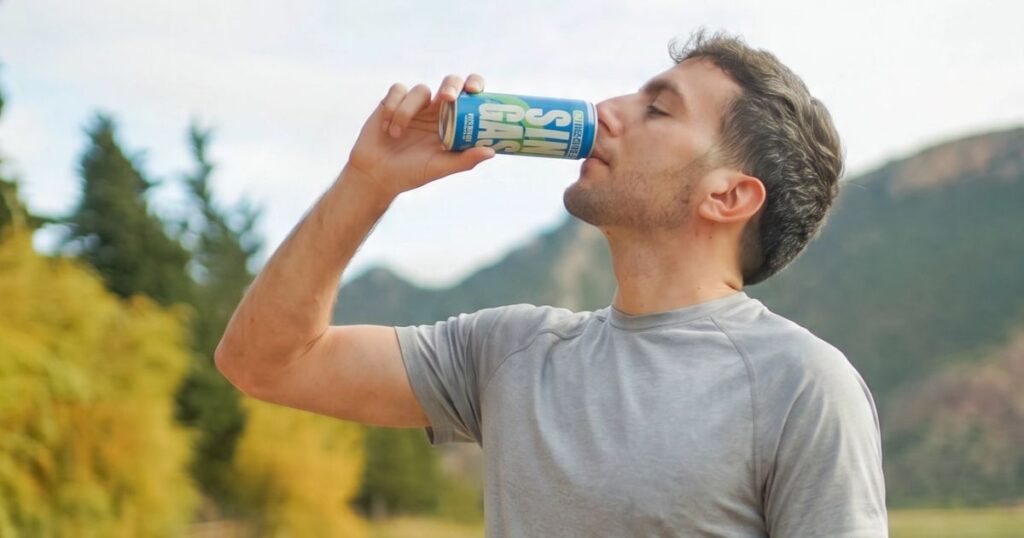
n moments of exertion or intense heat, drinks with natural minerals can make a difference. SIN GAS, from Good Bio Foods, is an organic isotonic drink made with seawater, organic apple, hibiscus infusion and rosehip. With no added sugars or additives, it helps replenish the electrolytes lost through sweat. It’s an option designed for athletes, but also for days of prolonged heat.
When you want a refreshing alternative
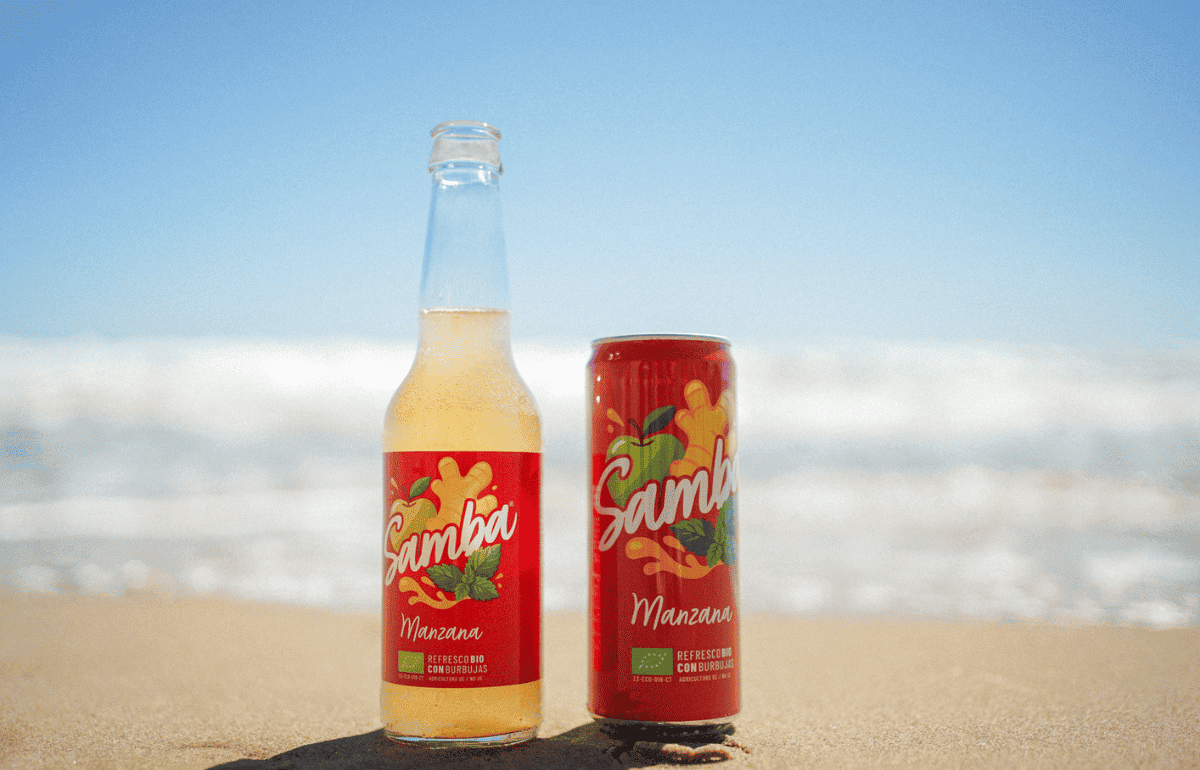
SAMBA is a natural alternative to conventional soft drinks. Made with apple juice, mint, ginger and lemon, it offers a light, refreshing option with no artificial ingredients.
Who should pay special attention to hydration
Older adults.
With age, the sensation of thirst decreases, along with the body’s ability to concentrate urine. According to data from the Spanish Academy of Nutrition and Dietetics, 80% don’t meet hydration recommendations.
Children and teenagers.
87% of minors don’t hydrate properly. That’s why it’s key to get ahead of fluid intake rather than waiting for children to ask for water.
Outdoor work.
Agriculture, construction or logistics involve a constant loss of fluids. In these cases, hydration needs to be part of the work routine.
In summary: hydrating well is simpler than it seems
- Drink before you’re thirsty.
- Replenish electrolytes when needed.
- Eat seasonal fruit and vegetables.
- Keep your hydration consistent throughout the day.
At Good Bio Foods, we believe that taking care of yourself shouldn’t be complicated or full of ingredients you don’t understand. That’s why we develop natural, organic and functional drinks that your body recognizes and uses efficiently.
Sources
Fernández-García JM et al. Medicina de Familia. SEMERGEN. 2025. Spanish Academy of Nutrition and Dietetics – Summer Hydration Study 2026. Spanish Society of Community Nutrition – Hydration Guidelines 2025–2026. SEMERGEN – Scientific Review 2025. EFSA – Dietary Reference Values for water. CoDiNuCat – Professional Recommendations.