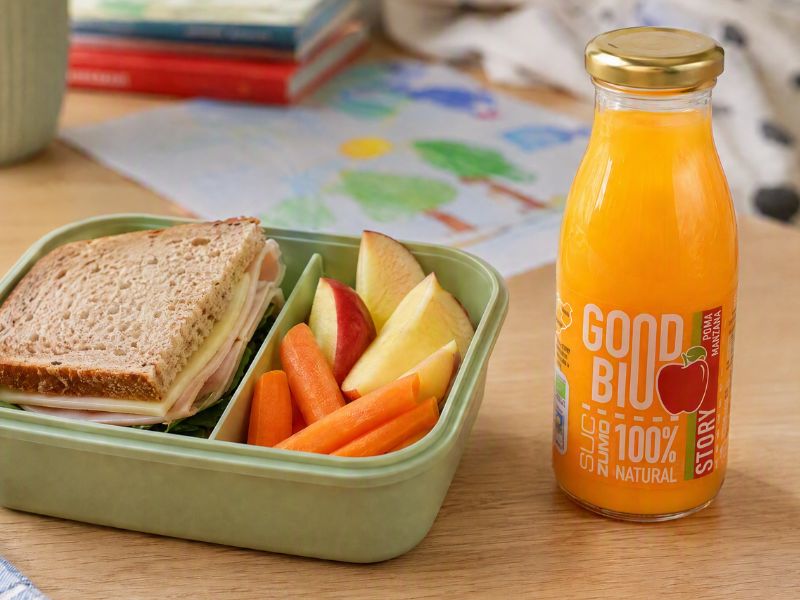
A refreshing cold soft drink is one of the pleasures of summer.
However, many soft drinks are packed with sugar, artificial sweeteners, and other ingredients that are far from ideal for your health. With so much information available on the topic, the question is: which soft drinks can we enjoy, and how much can we drink without it taking a toll on our wellbeing?
At Good Bio Foods, we believe that choosing a soft drink should not be a dilemma.
To make informed decisions, it is worth taking a closer look at what nutrition experts currently say about soft drink consumption, their real advantages and drawbacks, and how to identify options that fit better into a healthy lifestyle.
What Is a Sugary Soft Drink?
According to Canal Salut (Catalonia’s public health information service), sugary drinks are beverages that contain added sugar, honey, fructose, or syrups. This category includes soft drinks, sports drinks, energy drinks, and many commercial fruit juices.
The key figure: the World Health Organization (WHO) recommends that free sugars account for no more than 10% of daily energy intake, with less than 5% being the ideal target. For a 2,000-calorie diet, this means between 25 and 50 grams of sugar per day.
A single 330 ml can of soft drink can contain around 35 grams of sugar, almost the entire recommended daily amount (Think Eat, 2026).
The Downsides: What Nutrition Experts Say in 2026
Blood Sugar Spikes and Weight Gain
Excess sugar is converted into triglycerides, which can contribute to body fat accumulation and weight gain.
Increased Risk of Type 2 Diabetes
Even moderate consumption of sugary drinks has been associated with a higher risk of developing type 2 diabetes.
Sugar-Free Drinks Are Not Perfect Either
Artificial sweeteners may reinforce cravings for sweet flavours and can potentially alter the gut microbiome.
Dental Health and Hydration
Phosphoric acid, often used to enhance flavour, may contribute to tooth enamel erosion. Meanwhile, caffeine can have a mild dehydrating effect.
Summer Consumption Can Be More Problematic
Soft drinks provide calories with limited nutritional value and do not hydrate the body as effectively as water or herbal infusions.
(Sources: Infobae/Real Simple, March 2026; NacióDigital, June 2026; Canal Salut.)
In Spain, free sugar consumption is estimated to be four times higher than the limit recommended by the WHO. This is one of the reasons why taxes on sugary drinks have been introduced as a measure to help reduce consumption.
What About the Benefits?
Soft drinks are not the enemy. Excessive consumption is.
Experts do not generally recommend eliminating them entirely but rather managing how often they are consumed and making better choices:
They can be part of social occasions and are not a problem when consumed occasionally rather than daily.
More and more brands are developing clean-label formulations with recognisable ingredients and no artificial additives.
Alternatives made with functional ingredients such as ginger and botanicals can provide flavour without excessive amounts of sugar.
The key is not prohibition but smarter substitution. This is the philosophy promoted by Good Bio Foods.
How to Read a Label in 30 Seconds
Count the Ingredients
The shorter the ingredient list, the better.
Look for Hidden Sugars
Watch out for terms such as corn syrup, dextrose, sucrose, or concentrated fruit juice.
Be Cautious with “Light” or “Zero” Claims
These products do not always avoid the use of artificial sweeteners.
Consider the Origin of the Ingredients
Local and seasonal ingredients often mean less processing and a more transparent production chain.
SAMBA: The Apple Soft Drink from Lleida by Good Bio Foods
Four Ingredients. Zero Added Sugar.
Apple from Lleida (organic and locally sourced)
Naturally sweet and light.
Ginger
Adds character, a subtle spicy note, and digestive benefits.
Mint
Provides long-lasting freshness.
Lemon
Balances the natural sweetness of the apple.
SAMBA contains only the naturally occurring sugars present in its ingredients and is produced locally in Lleida.
(Full nutritional information is available on the product page.)
Conclusion
The perfect soft drink does not exist, but better choices do.
To make a healthier choice:
Reduce the frequency of soft drink consumption.
Read labels carefully and choose products made with healthy, locally sourced ingredients, such as those found in SAMBA.
Enjoy them occasionally without turning them into a daily habit.
You can find SAMBA in our online store.
Frequently Asked Questions
How Many Soft Drinks Can I Drink Per Week?
There is no single recommended number. What matters most is keeping total free sugar intake from all foods below 10% of daily calories, and ideally below 5%, as recommended by the WHO.
Are Sugar-Free Soft Drinks Always a Better Choice?
Not necessarily. While they contain little or no calories, some studies suggest that certain sweeteners may affect the gut microbiome and reinforce preferences for sweet flavours.
What Makes SAMBA Different?
Its simplicity.
SAMBA contains just four ingredients: apple, ginger, mint, and lemon. No added sugars, no syrups, and no artificial flavourings.
This article is for informational purposes only. If you have specific dietary concerns or health conditions, seek advice from a qualified nutrition professional.
Sources: Canal Salut (Government of Catalonia) · Bellvitge Hospital · Infobae (31 March 2026) · NacióDigital (June 2026) · Think Eat (February 2026) · La Mañana (Irene Lezcano) · Banner Health (Yaffi Lvov)